

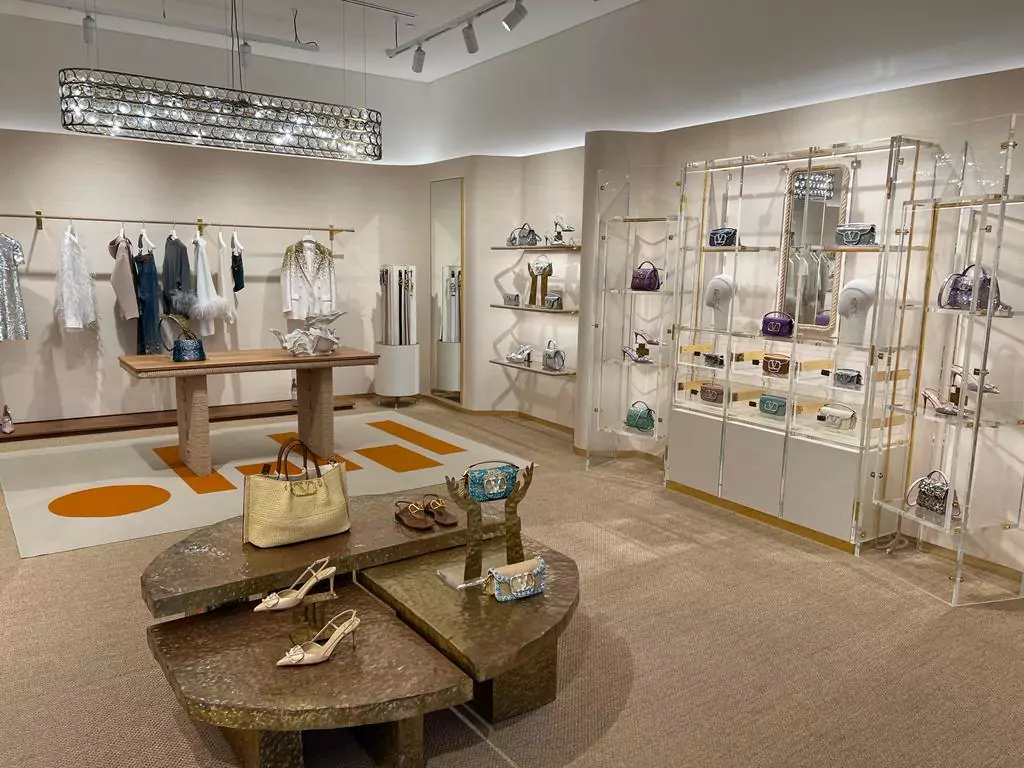
When a retail brand opens in a new market, the store itself carries a heavy load. Before staff say a word or products are picked up, customers are already forming opinions. The space either feels familiar or it doesn’t. That split-second reaction matters more than most marketing teams like to admit.
A carefully planned retail fit out helps remove uncertainty from that moment. It gives customers the reassurance that they are in the right place, even if it’s their first visit. Across multiple locations, this sense of familiarity becomes one of the brand’s strongest assets.
Visual Consistency Starts With Decisions That Leave Little Room For Interpretation
Walk into any Apple Store, anywhere in the world, and you know exactly where you are. From the minimalist wooden tables to the spacing of the products and signature lighting, every detail contributes to an unmistakable identity. This level of consistency is only possible because the fit out specifications cover every single tangible aspect of the store's environment.
A comprehensive fit out design package includes detailed specifications for materials, finishes, colours, and fixtures. These documents go far beyond simple brand guidelines. They specify exact paint codes, material suppliers, fixture dimensions, and installation methods. When a retail chain opens its twentieth location, contractors in different cities can recreate the same atmosphere because they're working from identical technical specifications.
The genius lies in the details. Flooring transitions transpire at specific thresholds. Lighting fixtures are positioned at specific intervals. Display units retain consistent heights and depths. Even seemingly minor choices like door handles and shelving brackets are predetermined. This degree of precision prevents the brand dilution that happens when individual locations interpret guidelines loosely.
Creates Repeatable Customer Flow Patterns
Customers naturally form expectations about how retail spaces should work. Good fit out design takes advantage of this by creating consistent layouts across all locations. The entrance draws you in, popular products are easy to find, and checkout counters are exactly where you expect them to be.
IKEA is the master of this approach with its famous maze-like layout, but the same principle can be applied to any retail store. A well-designed fit out uses zones for browsing, interaction, and purchasing that feel natural no matter the store's size or location. Retail fit out companies create flexible layouts that can be adapted to different spaces while keeping the main customer path the same.
This repeatability has a dual purpose. Customers become efficient shoppers because they know where to find what they need. Staff members transferring between locations can work productively from day one because operational workflows remain consistent. The fitting rooms are always in the back left corner. The clearance section occupies the same relative position. The service desk sits at the front right.
Streamlines Construction and Installation Timelines
In retail expansion, time is money. Every day a new location isn’t finished means lost revenue and rising costs. Professional fit outs help speed up construction by cutting out guesswork and simplifying decisions during the building process.
Retail fit out companies obtain comprehensive packages that answer questions before they're asked. The millwork specifications detail exact dimensions and joinery methods. The electrical plans show where outlets and data points go, while the mechanical drawings ensure HVAC systems fit with the ceiling layout. This planning reduces site visits, changing orders, and delays.
Protects Brand Equity Through Quality Control
Rigorous quality control throughout the fit out process is what ensures brand consistency. Clear design standards establish expectations for everything, from matching paint colours to aligning fixtures. Regular site inspections confirm that these standards are being met long before opening day.
Inconsistent execution comes with significant risks. A poorly installed floor graphic might peel within weeks. Incorrect lighting temperatures can make merchandise look unappealing. Substandard materials might wear prematurely, creating a shabby appearance which weakens the brand's premium positioning.
Professional fit outs establish detailed quality criteria and inspection standards to prevent these problems. Designers choose materials and outline how to ensure they’re installed correctly. They also create punch lists to address common problem areas and provide photographic examples of both proper and improper execution. This helps catch issues early, while they’re still easy and affordable to fix.
Scalable Design Makes Expansion Easier To Manage Financially
Growing quickly means you need to know your costs upfront. Fit out design packages help retailers plan budgets more accurately because the design work has already been figured out. The first location handles the big challenges of design development, so future locations only need small tweaks, saving time and effort.
This efficiency surpasses design fees. Volume purchasing agreements for fixtures and finishes become possible when specifications remain constant. This leads to contractors providing more competitive bids when they're installing familiar systems. Training costs decrease because staff encounter standardised layouts and equipment.
The scalability advantage builds up over time. A retailer opening their fifth location executes faster than their second. By the time you’ve opened your twentieth location, the process becomes second nature. Teams are familiar with the timeline, know what’s needed, and can tackle challenges before they arise. Expansion shifts from being chaotic to a smooth, repeatable operation.
A retail fit out is a serious investment in a brand's physical presence, but it's one that pays dividends. It leads to faster rollouts, predictable costs, and a consistent customer experience that strengthens brand recognition with every new store you open.