

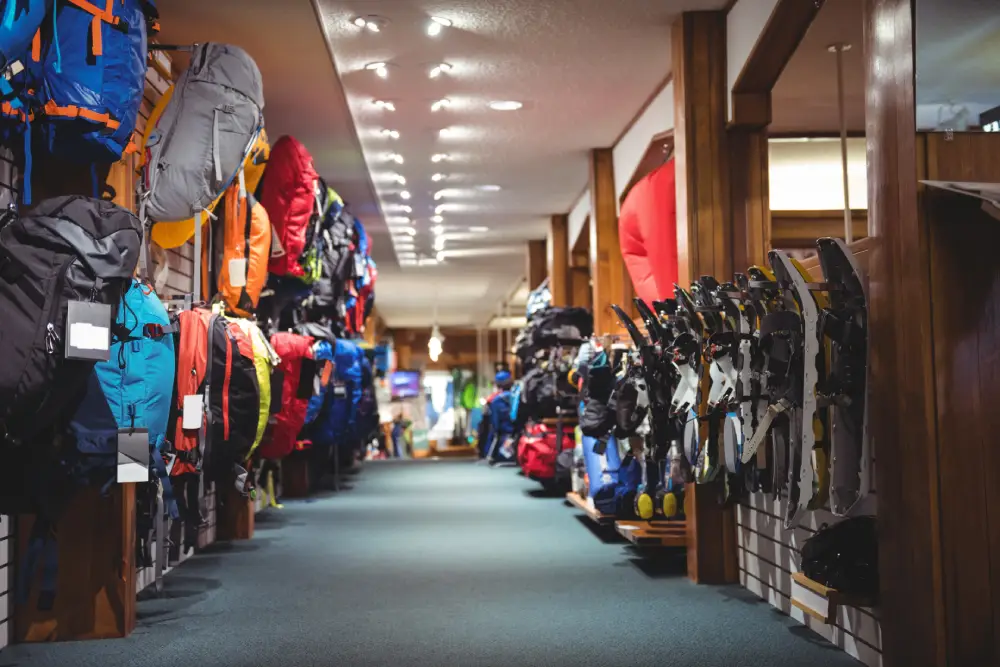
Even with the finest products, attractive prices, and a well-established brand, a poorly designed store layout can significantly impact your bottom line. People might stroll in, take a quick look, and then head out, empty-handed. No complaints. No comments. Just lost revenue.
That’s the danger. Let’s break down how your space might be working against you.
First Impressions Are Doing the Damage
The moment someone steps into your store, they make quick decisions. Is this place easy to browse? Does it feel inviting? Can they immediately understand what’s being offered?
If your entrance area is cluttered, cramped, or confusing, people mentally check out before they even start looking. This area, often called the “decompression zone”, needs breathing room. When it’s overloaded with racks, signage, or promotions, shoppers feel overwhelmed. And overwhelmed customers rarely buy.
Your Store Might Be Hard to Navigate
Think about the last time you walked into a store and couldn’t figure out where things were. You probably didn’t stay long. Customers don’t like to “work” to shop. If your layout lacks a clear path or flow, people hesitate, skip sections, or leave entirely.
Common issues include:
• Aisles that are too narrow
• No clear direction guiding movement
• Key products placed in low-traffic corners
• Random product placement with no logic
A well-planned layout leads people through the space. It feels natural, almost effortless. When that flow is missing in display visual merchandising, sales suffer quietly.
You’re Hiding Your Best Products
Many store owners assume customers will explore every inch of the shop. They won’t. If your high-margin or best-selling items are tucked away in the back without proper visibility, you’re depending on luck. Most people stick to what’s immediately visible or easy to reach.
Eye-level placement is just as important as positioning products near high-traffic zones. If your layout doesn’t highlight what you actually want to sell, you’re leaving money on the table.
Overcrowding Is Pushing Customers Away
There’s a fine line between offering variety and creating chaos. Too many products crammed into a small space can make your store feel stressful. When everything competes for attention, nothing stands out. Customers slow down, feel fatigued, and exit sooner than expected.
A cleaner, more open layout gives products room to breathe. It allows shoppers to focus, compare, and decide. In many cases, reducing visual clutter leads to higher sales, even if you’re displaying fewer items.
Your Checkout Area Might Be Breaking the Sale
You’ve done the hard part and your customer is ready to buy. Then comes the checkout experience. If this area is disorganised, slow, or awkwardly placed, it creates friction at the worst possible moment. Long waits, unclear queues, or last-minute confusion can turn a confident buyer into a hesitant one.
On the flip side, a smart checkout layout can increase revenue:
• Clear, easy-to-access counters
• Small impulse items within reach
• Enough space for comfortable movement
The goal is simple: make the final step feel smooth and quick.
Lighting and Layout Go Hand in Hand
Layout isn’t only about where things are placed. It’s also about how they’re seen. Poor lighting can make even great products look unappealing. Dark corners, harsh shadows, or uneven brightness can discourage browsing.
Strategic lighting guides attention. It highlights key areas, draws people deeper into the store, and makes products look their best. If your layout is decent, but lighting is off, you’re still losing potential sales.
You’re Ignoring Customer Behaviour
Every store has patterns and people tend to move in similar ways. For example, many shoppers naturally turn right after entering. If your layout doesn’t account for these behaviours, you’re missing easy opportunities. Prime display areas should align with how people actually move, not how you think they should move.
Watch your customers:
• Where do they pause?
• Which areas do they skip?
• Where do they seem confused?
These small observations reveal big problems.
Signage Isn’t Helping (Or It’s Making Things Worse)
Signage is meant to guide, not overwhelm. Too many signs create noise. Too few leave customers guessing. And poorly placed signage can disrupt flow instead of supporting it.
Clear, simple direction works best:
• Category labels that are easy to spot
• Pricing that doesn’t require searching
• Promotions placed where decisions are made
Good signage supports your layout. Bad signage fights against it.
The Silent Cost of “Good Enough”
Many store owners settle into layouts that feel “fine.” Sales are steady, customers come and go, and nothing seems broken. But “fine” can be expensive.
A layout that’s slightly confusing, mildly crowded, or a bit inconsistent can chip away at revenue day after day. You don’t notice the loss because it happens in small amounts, one missed purchase at a time. Over weeks and months, that adds up.
Fixing It Doesn’t Mean Starting From Scratch
The good news? You don’t need a full renovation to see improvement.
Start small:
• Clear your entrance area
• Reposition top-selling items to high-visibility spots
• Widen tight pathways
• Reduce clutter on shelves
• Adjust lighting in key zones
Then observe what changes. Retail spaces are never “finished.” The best-performing stores keep refining based on real customer behaviour.
Connect With Brand Options for Retail Fit Out in Dubai and the KSA
Established in 2004, Brand Options has been providing creative and functional retail fit out solutions for clients in the UAE and KSA. With a team of skilled designers, architects, project managers, and contractors, we offer end-to-end services from concept development to construction and installation. We hold speciality in creating engaging spaces that reflect the brand identity of their clients while optimising the functionality and flow of the store. Get in touch with us to discuss your project requirements.