

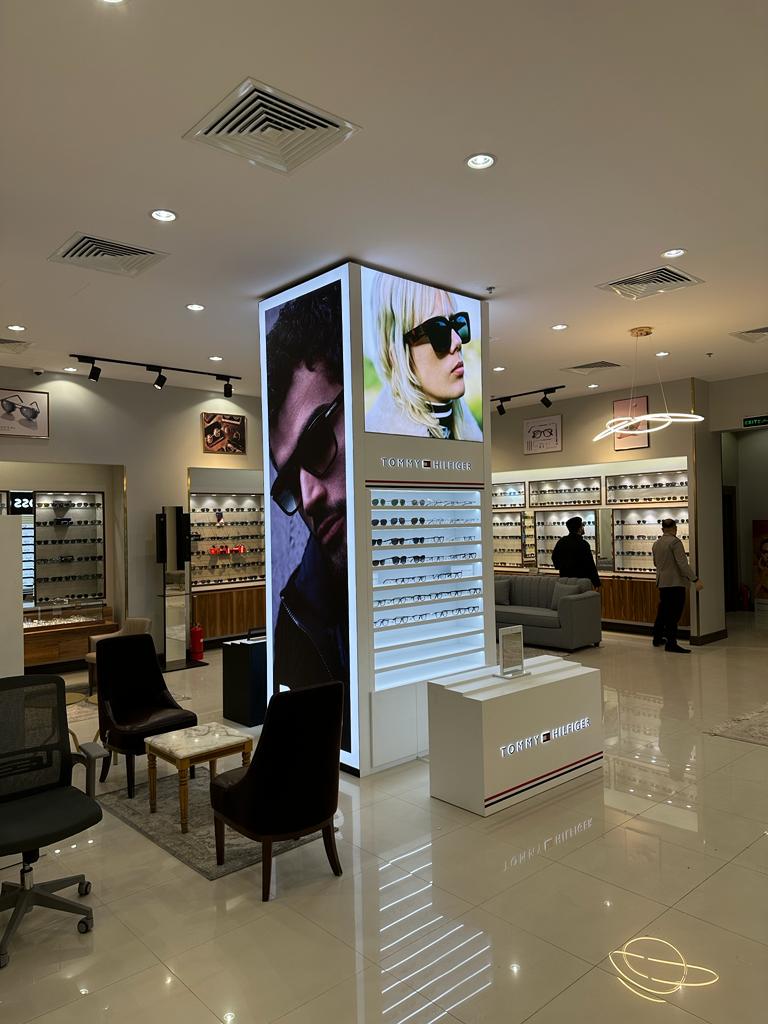
In any well-designed store and you’ll notice that all the fixtures feel right. Shelves don’t sag, counters don’t chip easily, and display units seem built to last. The materials used in retail joinery shape how customers perceive your brand, and how long your fixtures survive daily use.
Pick the wrong material, and you’re dealing with scratches, dents, and constant repairs. Choose wisely, and your space holds up under pressure while still looking great.
Let’s look at the materials that perform best in retail fitouts.
Solid Wood:
Solid wood carries a sense of warmth and credibility that few materials can match. It works especially well in high-end retail spaces where presentation is as important as the product itself. Oak, walnut, and maple are popular choices due to their strength and grain patterns. They can handle weight, resist wear, and age gracefully.
That said, solid wood comes with a higher cost and requires maintenance. It can react to humidity and temperature changes, so it’s not always ideal for every environment.
Best for:
• Luxury stores
• Feature displays
• Statement counters
MDF (Medium-Density Fibreboard)
MDF is one of the most widely used materials in retail joinery. It offers a smooth surface that’s perfect for paint, laminates, or veneers. It doesn’t warp easily, making it a stable choice for shelving, cabinets, and wall units. It’s also more affordable than solid wood, which helps when you’re fitting out a larger space.
However, MDF isn’t great with moisture. If exposed to water, it can swell and lose strength.
Best for:
• Painted fixtures
• Wall panelling
• Display units with finishes
Plywood:
Plywood sits somewhere between solid wood and MDF. It’s made from layered sheets of wood veneer, which gives it strength without the same weight or cost as solid timber. It holds screws well, resists cracking, and performs better than MDF in humid conditions. This makes it a solid option for areas where durability matters but budgets still need to be controlled.
Best for:
• Structural units
• Shelving systems
• Back-of-house fixtures
Laminate:
Laminate is less about structure and more about surface performance. Applied over MDF or plywood, it creates a hard-wearing finish that resists scratches, stains, and everyday wear. It comes in a wide range of colours, textures, and patterns, including wood-look finishes, making it highly versatile for retail design.
It’s also easy to clean, which is a big advantage in high-traffic stores.
Best for:
• Countertops
• Shelving surfaces
• High-touch areas
Metal:
Metal fixtures bring durability and a modern edge to retail spaces. Steel and aluminium are the most common choices, often used for frames, brackets, and structural supports. They can handle heavy loads and constant use without losing shape. Powder-coated finishes also help prevent rust and scratches.
Metal works especially well when combined with wood or glass for a balanced look.
Best for:
• Clothing racks
• Industrial-style stores
• Heavy-duty shelving
Glass:
Glass adds a sense of openness and visibility. It’s often used in display cases, shelving, and countertops where product presentation is key. Tempered glass is the go-to option for safety and strength. It can handle impact better than standard glass and, if broken, shatters into safer fragments.
The downside is maintenance as fingerprints and smudges are constant.
Best for:
• Display cabinets
• Jewelry stores
• Premium product showcases
Acrylic:
Acrylic offers a similar visual effect to glass but with less weight and higher impact resistance. It’s easier to shape and less likely to shatter, making it a practical choice for busy retail environments.
It can scratch more easily than glass, so care is needed in high-contact areas.
Best for:
• Signage
• Display boxes
• Modern retail setups
Veneer:
Wood veneer gives you the appearance of solid wood without the full expense. It’s a thin layer of real wood applied over MDF or plywood. This allows you to achieve a premium finish while keeping the costs of your interior fit out under control. It’s widely used in retail where aesthetics matter, but budgets are limited.
However, veneer can chip or peel if not handled properly.
Best for:
• Decorative panels
• Feature walls
• High-end finishes on a budget
Stone and Solid Surfaces:
Materials like quartz, granite, and engineered solid surfaces are often used for counters and service areas. They are tough, resistant to scratches and heat, and give a polished, high-end look. While the upfront cost is higher, they last for years with minimal maintenance.
Best for:
• Checkout counters
• Reception desks
• Luxury retail environments
The Right Combination
Rarely does a store rely on a single material. The best retail joinery uses a mix, each selected for its specific role.
For example:
• A plywood structure for strength
• MDF panels for a smooth painted finish
• Laminate surfaces for durability
• Metal supports for load-bearing areas
Retail fixtures take more abuse than most people realise. Constant handling, cleaning, restocking, and movement all put materials to the test. The right choices need to be made in order to keep things working day after day, without issue. For the best results, get in touch with us at Brand Options today.